
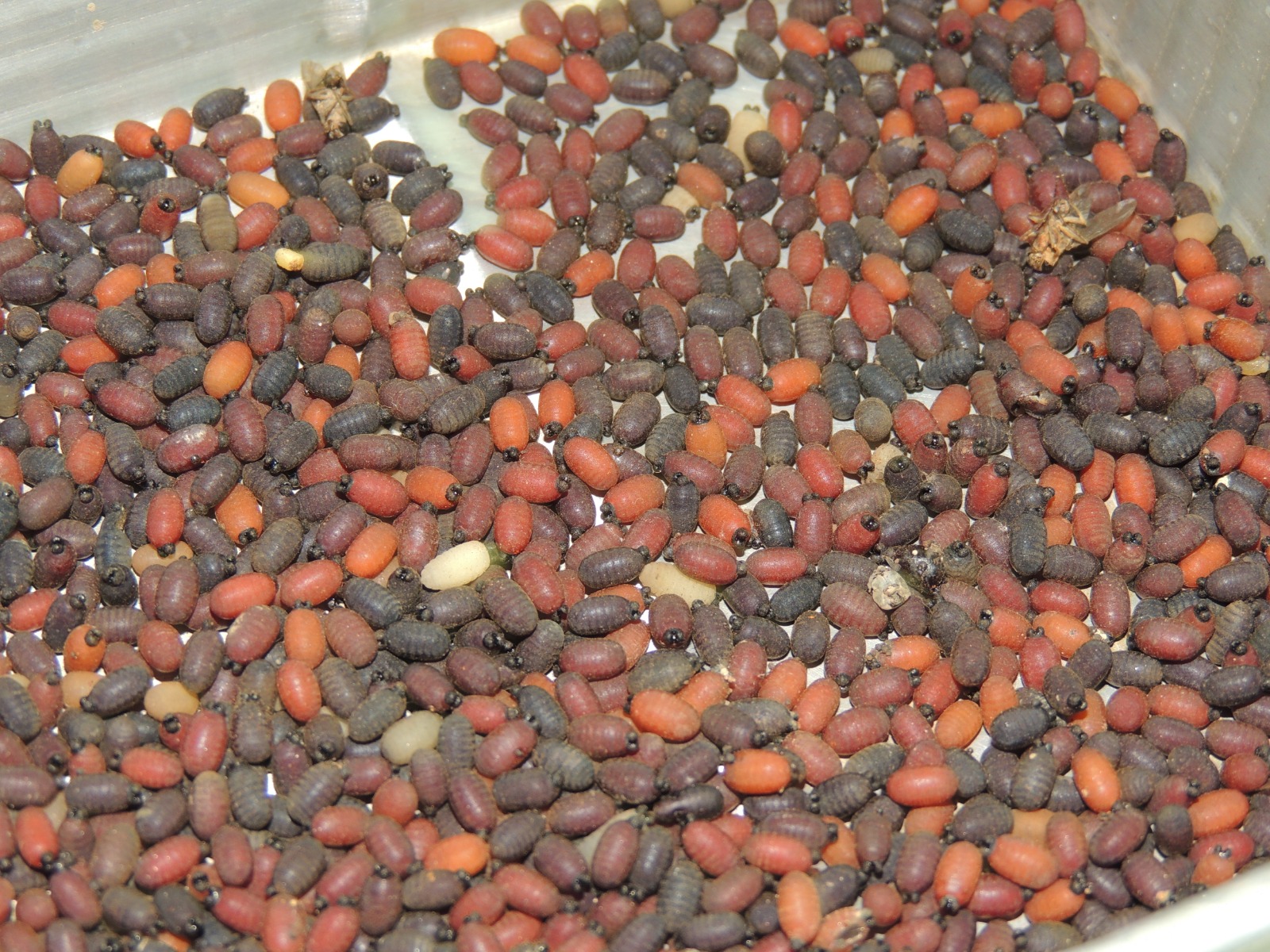
Understanding SIT

Using Nuclear Science to Control Pests

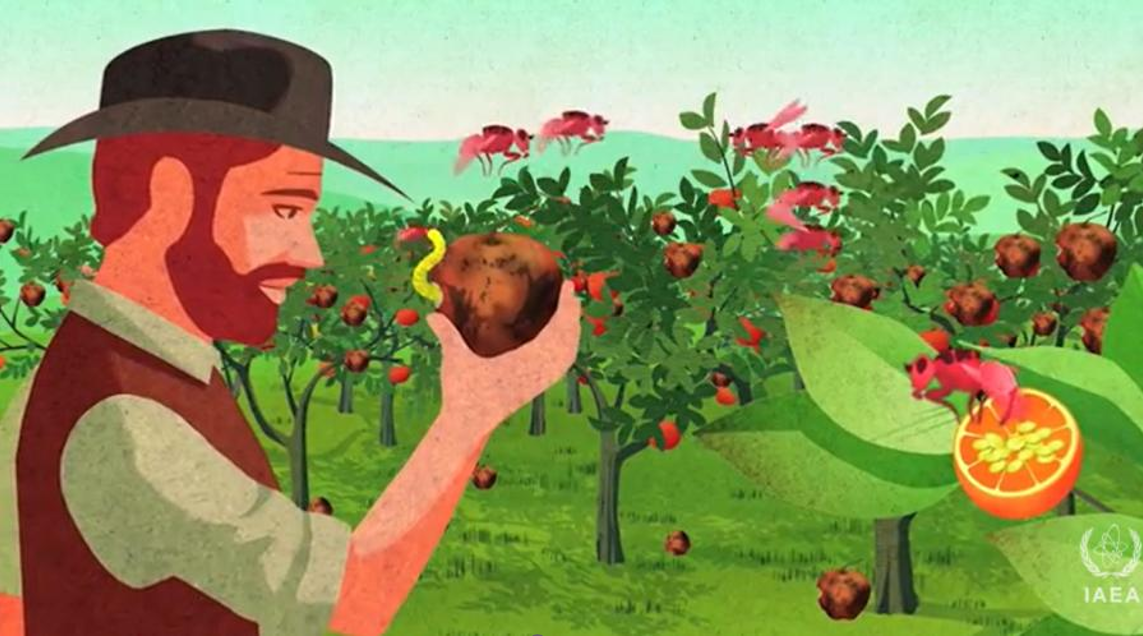
For over 50 years, the Sterile Insect Technique (SIT) has been successfully used around the world to tackle pests that destroy fruit and kill livestock.

The method uses radiation to sterilize male flies, which are mass-produced in rearing facilities. Large numbers of sterile males are released into a target area, where they mate with wild females.

No offspring are produced, and the wild fly population declines over time. Once established, this technique provides sustainable, cost-effective and environmentally-friendly insect control.
Source: FAO and IAEA
Licensed under Creative Commons Attribution (reuse allowed)
Nuclear technique helps fight mosquito-borne illnesses

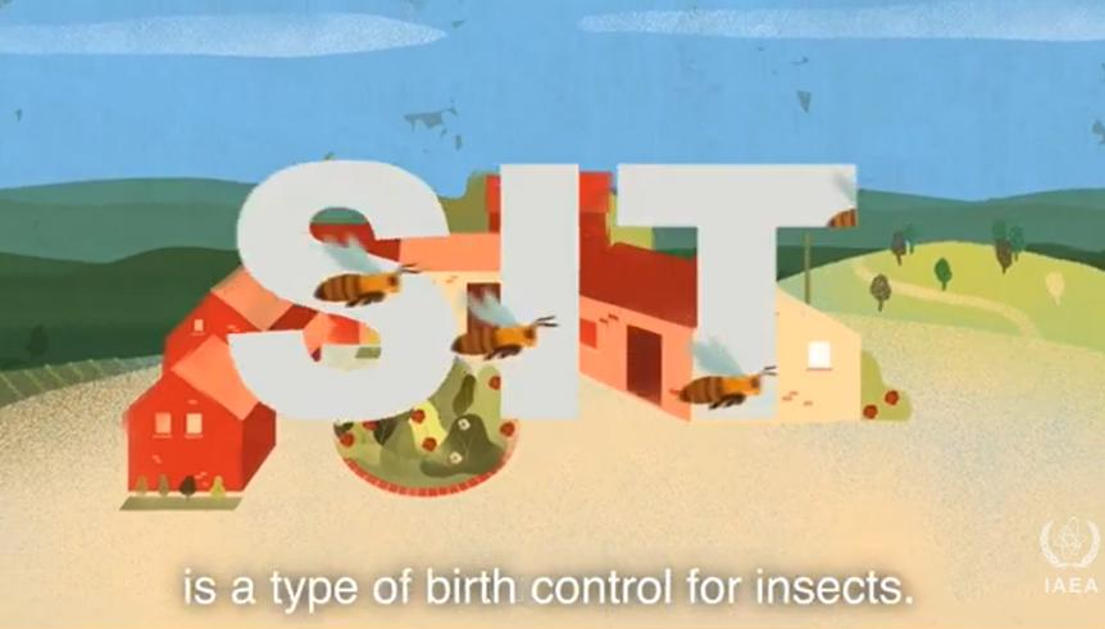
The IAEA, FAO, WHO and other international organizations are partnering for research on the use of the nuclear sterile insect technique (SIT) in the fight against diseases carried by mosquitoes such as dengue and the Zika virus.

This animation explains the technology behind this approach.

Source: FAO and IAEA
Licensed under Creative Commons Attribution (reuse allowed)

Area Wide Integrated Pest Management

Throughout history, people have had to fight insect pests to reduce diseases, minimize food losses, protect agricultural trade or simply to avoid the nuisance of stinging, biting and buzzing bugs. Insect pest control is usually implemented locally in individual fields or properties.

These uncoordinated efforts often prove inefficient since they only suppress a proportion of the targeted pest population. Pests from nearby untreated areas remain unscathed and can re-enter the treated areas, the damage continues, and people have little choice but to apply the control measures again and again to protect their livelihoods.

Area-wide pest management provides a more cost-effective and sustainable approach by proactively targeting entire pest populations. In this way, pest populations can be contained at low levels for longer periods and pest management methods can be integrated that are less reliant on pesticides and that better address ecological and environmental concerns.

Source: FAO and IAEA
Licensed under Creative Commons Attribution (reuse allowed)